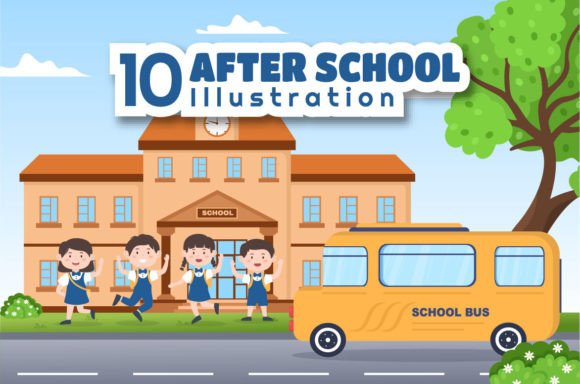
Teacher Welcoming Students Back to School
Teacher welcoming students back to school is more than just a routine event. It’s a moment that sets the tone for the entire academic year. Whether you’re a teacher, a parent, or a student, understanding the significance of this tradition can help you make the most of it.
For educators, this time is about reconnection and preparation. For students, it’s about transition and expectation. And for parents, it’s about support and involvement. Each group approaches this moment differently, but all share the common goal of making the school year a positive experience.
Real-World Scenarios Where Teacher Welcoming Students Back to School Matters
In many schools, the first day of class isn’t just about returning to a classroom—it’s about rebuilding relationships. Teachers often use this time to greet each student personally, creating a sense of familiarity and trust. This small act can have a big impact on how students feel about their learning environment.
Consider a high school English teacher who starts the year by asking students to share their favorite books. This simple gesture not only helps the teacher understand their students better but also encourages students to engage with the subject early on. It’s a practical example of how teacher welcoming students back to school can lead to meaningful classroom interactions.
For younger students, the first day is often filled with excitement and nerves. A teacher who takes the time to explain classroom routines and expectations can help ease this transition. This might involve showing students where supplies go, introducing the daily schedule, or even playing a quick game to break the ice. These actions create a foundation for a successful school year.
How Different Audiences Benefit from Teacher Welcoming Students Back to School
Parents benefit from teacher welcoming students back to school by gaining insight into what to expect during the year. They can use this information to support their child’s learning at home, whether by helping with homework or encouraging good study habits. When teachers communicate clearly, parents are better equipped to be involved in their child’s education.
Students, especially those who may be hesitant or anxious, benefit from a welcoming environment. A teacher who makes an effort to connect with each student can help them feel valued and included. This is particularly important for students who are new to the school or transitioning between grade levels.
For administrators, teacher welcoming students back to school is a key part of setting the school culture. When teachers take the time to build rapport with students, it contributes to a positive school climate. This, in turn, can improve student behavior, attendance, and overall engagement.
Practical Examples and Observations
One practical approach is using a welcome message or video to introduce the class. This can be especially helpful for remote or hybrid learning environments. A teacher might record a short video greeting, sharing their excitement about the upcoming year and outlining what students can expect. This creates a sense of connection even before the first day.
Another observation is the importance of consistency. Teachers who maintain a welcoming attitude throughout the year tend to see stronger student engagement. This might mean checking in with students regularly, offering encouragement, or adapting lessons to meet their needs. It’s a reminder that teacher welcoming students back to school is not just a one-time event—it’s an ongoing process.
Some schools have started incorporating student-led introductions as part of the welcome process. This gives students a chance to share something about themselves, which can foster a sense of community. It also allows teachers to learn more about their students’ interests and backgrounds, which can inform future lesson planning.
Common Considerations Before Using Teacher Welcoming Students Back to School
Before implementing a welcoming strategy, teachers should consider the size of their class and the available time. A large class may require a different approach than a smaller one. For example, a teacher with 30 students might use a group activity to introduce themselves, while a teacher with 15 students might have individual conversations.
It’s also important to think about the classroom environment. A welcoming space can enhance the experience. This might involve arranging desks in a way that encourages interaction, displaying student work, or adding personal touches like posters or photos. These elements contribute to a more inviting atmosphere.
Additionally, teachers should be mindful of cultural and individual differences. Not all students may feel comfortable in the same way, so it’s important to create an inclusive environment. This could mean offering multiple ways for students to participate or being sensitive to different communication styles.
Strengths and Limitations of Teacher Welcoming Students Back to School
The strength of teacher welcoming students back to school lies in its ability to build relationships and set a positive tone. It can increase student motivation, reduce anxiety, and create a sense of belonging. These benefits can have long-term effects on student success and well-being.
However, there are limitations to consider. Time constraints can make it difficult for teachers to give each student the attention they need. In some cases, the focus may shift too quickly to curriculum and assessments, leaving little room for relationship-building. It’s important to balance these priorities.
Another limitation is the potential for inconsistency. If a teacher doesn’t maintain a welcoming attitude throughout the year, students may feel disconnected. This highlights the need for ongoing effort and intentionality in classroom management and student engagement.