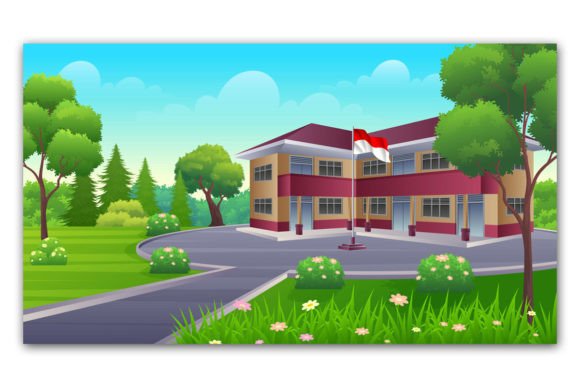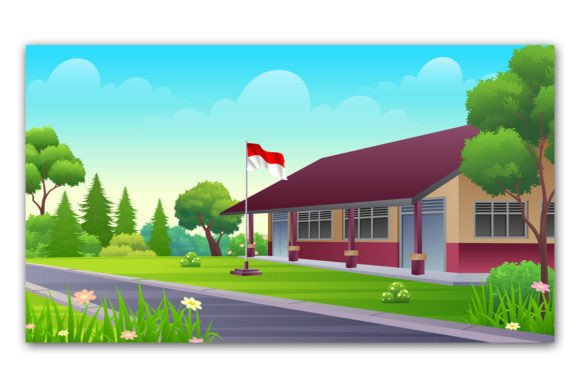
Indonesian Elementary School Building: A Blend of Education and Nature
Indonesian elementary school buildings are more than just structures—they are spaces designed to inspire young minds and foster a love for learning. With their unique architectural styles and integration with natural landscapes, these schools offer a distinctive environment that supports both education and well-being. Whether you're an educator, designer, or parent, understanding the value of these buildings can help you make informed decisions about your educational spaces.
Why Indonesian Elementary School Building Matters
Indonesian elementary school buildings often reflect the country's cultural heritage and environmental consciousness. Many are designed with open-air classrooms, green spaces, and natural materials to create a harmonious learning environment. This approach not only enhances the aesthetic appeal but also promotes a deeper connection between students and nature. For those interested in creating or improving educational spaces, these designs provide a valuable reference point.
Moreover, the concept of Back To Education Concept has gained traction, emphasizing the importance of a conducive learning atmosphere. Incorporating elements like beautiful nature landscapes into school design can significantly impact student engagement and overall satisfaction.
Common Mistakes When Choosing Indonesian Elementary School Building Designs
Despite the benefits, there are several common mistakes people make when selecting or designing Indonesian elementary school buildings. One frequent error is overlooking the importance of natural light and ventilation. Poorly designed buildings can lead to uncomfortable learning environments, affecting students' concentration and health.
Another mistake is neglecting the need for flexible spaces. Schools should be adaptable to different teaching methods and activities. A rigid layout may limit creativity and hinder effective learning. Additionally, some designers fail to consider the local climate, leading to issues with temperature control and humidity.
How These Mistakes Affect Outcomes
Ignoring natural elements can result in higher energy costs and less sustainable practices. Inefficient layouts may reduce the usability of the space, making it harder for teachers to manage classes. Poor climate control can lead to discomfort, negatively impacting student performance and well-being.
Furthermore, failing to integrate with the surrounding landscape can make the school feel disconnected from its environment, reducing the potential for outdoor learning opportunities. This oversight can diminish the overall educational experience and limit the benefits of a nature-rich setting.
Practical Advice for Better Design Choices
To avoid these pitfalls, start by consulting with architects who have experience in educational design. They can help ensure that your school building incorporates natural elements effectively. Consider using smart object layers and well-organized files when working with design templates, as this can streamline the customization process.
When evaluating design options, look for features that promote flexibility and sustainability. For example, using vector files like EPS or AI can allow for easy editing and adaptation. This is especially useful if you need to modify elements or adjust the layout based on specific needs.
What to Check Before Making a Decision
Before finalizing any design, review the file included—such as JPG images or vector files—to ensure they meet your requirements. Check for clarity, organization, and compatibility with your software. If you’re unsure, seek guidance from professionals or online communities focused on educational design.
Also, consider the long-term maintenance of the building. Materials that are durable and easy to maintain can save time and money in the future. Don’t forget to assess how the design aligns with your educational goals and the needs of your students.
Enhancing the Learning Experience with Nature
Integrating beautiful nature landscapes into school design can enhance the learning experience in multiple ways. Green spaces encourage physical activity, reduce stress, and improve mental focus. Students who spend time in natural environments tend to perform better academically and exhibit greater emotional resilience.
Additionally, incorporating elements like gardens, ponds, or wildlife areas can provide hands-on learning opportunities. These features can be used to teach subjects such as biology, ecology, and environmental science in a practical and engaging way.
Conclusion: Making Informed Choices for Educational Spaces
Choosing the right Indonesian elementary school building design requires careful consideration of various factors, including natural elements, flexibility, and sustainability. By avoiding common mistakes and following practical advice, you can create a space that supports both learning and well-being.
Whether you're designing a new school or renovating an existing one, remember that the goal is to foster an environment where students can thrive. By taking the time to evaluate your options and make informed decisions, you can ensure that your educational space meets the needs of both students and educators.